
In today’s fast-paced digital world, efficiency is everything. One tool that has drastically improved productivity is the Picture to Text converter. This technology allows users to extract text from images quickly and accurately. Whether you are a student, professional, or content creator, using a Picture to Text tool can save countless hours of manual typing.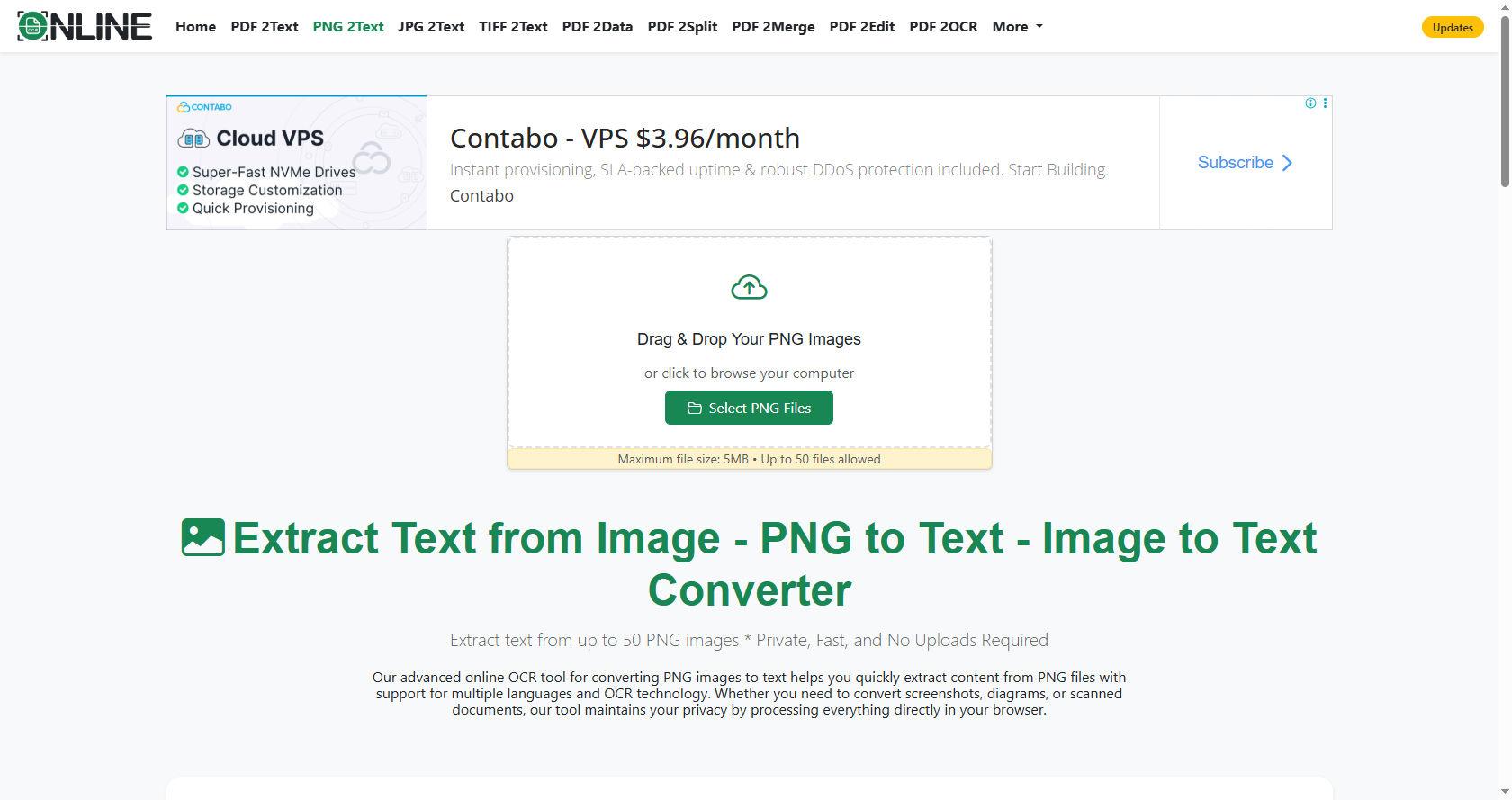
Imagine you have scanned documents, screenshots, or handwritten notes. Typing all this information manually would take hours.
With a Picture to Text tool, you can transform these images into editable text in seconds. This not only saves time but also reduces errors and frustration.
The demand for fast Picture to Text solutions has grown tremendously in recent years. From academic assignments to office reports, this technology is reshaping how we handle information.
How Picture to Text Tools Work
At its core, a Picture to Text tool relies on Optical Character Recognition (OCR) technology. OCR scans the image and identifies letters, words, and sentences. It then converts this data into digital text that can be edited, copied, and shared.
Modern Picture to Text tools are equipped to handle various languages, fonts, and handwriting styles. This flexibility makes them indispensable for students and professionals who work with diverse sources of information.
The process is simple. You upload an image, the tool scans it, and within seconds, you have the text ready for use. Advanced tools even allow batch processing, which means multiple images can be converted at once, further saving time.
Benefits of Using Picture to Text Tools
Time-Saving
The primary advantage of a Picture to Text tool is the time it saves. Manually typing from images or scanned documents is tedious and prone to mistakes. A digital solution converts text instantly, freeing up your time for more important tasks.
Accuracy
A well-designed Picture to Text tool reduces human error. Typing errors and misread words are common when transcribing manually. OCR technology ensures that text is captured precisely as it appears in the image.
Convenience
With mobile apps and web-based platforms, Picture to Text tools are more accessible than ever. Users can extract text on the go, making it ideal for students taking notes or professionals scanning documents while traveling.
Increased Productivity
By eliminating the need to manually type, these tools allow you to focus on analysis, editing, or other critical tasks. In a busy work or academic environment, every minute saved contributes to overall productivity.
Real-Life Applications of Picture to Text Tools
Academic Use
Students often deal with handwritten notes, textbooks, and research papers. A Picture to Text tool can convert these resources into editable text for essays, assignments, or study guides.
Business and Office Use
For office workers, a Picture to Text tool streamlines document management. Invoices, contracts, and meeting notes can be digitized quickly. This reduces clutter and improves accessibility.
Content Creation
Writers and bloggers can use Picture to Text tools to convert screenshots, infographics, or reference images into usable text. This accelerates the content creation process while maintaining accuracy.
Accessibility
Individuals with visual impairments can benefit from Picture to Text tools by converting printed materials into digital text, which can then be read aloud using text-to-speech software.
Features to Look for in a Picture to Text Tool
When choosing a Picture to Text tool, several features are crucial to ensure efficiency and reliability.
Multi-Language Support
If you work with documents in different languages, multi-language OCR capability is essential. Some tools can recognize dozens of languages, including complex scripts.
Batch Processing
For users with multiple images, batch processing is a game-changer. This feature allows you to convert several files simultaneously, saving even more time.
Editable Output
A good Picture to Text tool should provide editable output formats such as Word, PDF, or plain text. This flexibility makes it easier to use the extracted text in various applications.
Cloud Integration
Some advanced tools integrate with cloud storage services. This allows you to store, share, and access your converted text from anywhere, adding convenience and flexibility.
User-Friendly Interface
A simple and intuitive interface ensures that even beginners can use the tool effectively. Complicated settings or confusing layouts can slow down the workflow.
Steps to Use a Picture to Text Tool Effectively
Using a Picture to Text tool is simple, but following best practices ensures the best results.
-
Choose the Right Tool: Select a reliable tool with high accuracy and the features you need.
-
Prepare Your Image: Ensure the image is clear, well-lit, and properly oriented. Blurry or distorted images can reduce accuracy.
-
Upload the Image: Most tools allow drag-and-drop or file selection from your device or cloud storage.
-
Select the Output Format: Decide whether you need a Word document, PDF, or plain text.
-
Start the Conversion: Initiate the process and wait for the tool to extract the text.
-
Review and Edit: Even the best tools may make minor mistakes. Review the output and make corrections as needed.
By following these steps, you maximize the efficiency and accuracy of your Picture to Text conversion.
Common Challenges and How to Overcome Them
While Picture to Text tools are powerful, users may encounter some challenges.
Poor Image Quality
Blurry, dark, or distorted images can lead to inaccurate text extraction. Ensure images are high-resolution and well-lit before conversion.
Handwriting Recognition
Handwritten text can be tricky for OCR tools, especially if the handwriting is cursive or unclear. Using tools with advanced handwriting recognition or manually editing the output may be necessary.
Formatting Issues
Sometimes, the converted text loses its original formatting. Tools that offer advanced layout retention or allow you to export in Word or PDF can minimize this issue.
Language Limitations
Not all tools support every language or script. Always check language compatibility before choosing a tool for specific documents.
How Picture to Text Tools Improve Productivity
Faster Data Entry
Businesses that deal with large volumes of documents can reduce the time spent on data entry significantly. This allows employees to focus on tasks that require critical thinking rather than repetitive typing.
Efficient Research
Students and researchers benefit from faster access to information. Instead of manually transcribing notes, they can convert images into text and analyze data more efficiently.
Collaboration Made Easy
Digital text can be easily shared with colleagues, classmates, or team members. This encourages collaboration and ensures everyone has access to the same information quickly.
Reducing Paperwork
By converting printed materials into digital text, organizations can reduce their reliance on physical documents. This saves storage space, reduces clutter, and promotes a paperless workflow.
Choosing the Right Picture to Text Tool
Not all Picture to Text tools are created equal. Here’s what to consider when making a selection:
-
Accuracy: Look for high OCR accuracy rates, ideally above 95%.
-
Speed: Choose tools that process images quickly, especially if you deal with bulk files.
-
Supported Formats: Ensure the tool can handle the file types you work with most frequently.
-
User Reviews: Read feedback from other users to gauge reliability and performance.
-
Cost: Some tools are free, while others offer premium features. Assess your needs before deciding.
Advantages Over Manual Typing
Using a Picture to Text tool offers several clear advantages over typing manually:
-
Time Efficiency: Converts images to text in seconds.
-
Error Reduction: Minimizes typing mistakes.
-
Convenience: Works from anywhere, on any device.
-
Accessibility: Digital text can be used with other tools, such as translation or text-to-speech software.
These advantages make Picture to Text tools a must-have in educational, professional, and personal workflows.
Future of Picture to Text Technology
The future of Picture to Text technology looks promising. AI and machine learning are improving OCR capabilities, making tools more accurate and faster.
Future tools may offer:
-
Real-time text extraction from video streams.
-
Better handwriting recognition across various languages.
-
Integration with AI assistants for automated summarization or translation.
-
Enhanced mobile apps for on-the-go scanning and conversion.
As the technology evolves, the role of Picture to Text tools in saving time and boosting productivity will only grow.
Conclusion
In a world where every second counts, Picture to Text tools are indispensable. They save time, reduce errors, and improve productivity across academic, professional, and personal tasks.
By understanding how these tools work, their benefits, applications, and features, users can make informed choices and maximize their efficiency. The ability to convert images into editable text in seconds transforms the way we handle information.
Whether you are a student looking to digitize notes, a professional managing documents, or a content creator extracting text from images, a Picture to Text tool is a valuable time-saving solution. As technology continues to advance, these tools will become even more powerful, further streamlining workflows and simplifying our lives.
Embracing Picture to Text technology is no longer optional; it is essential for anyone who values efficiency and accuracy in managing textual information.