
A healthy, green lawn does not happen by accident. It is the result of consistent effort, correct timing, and a clear understanding of lawn care and maintenance.
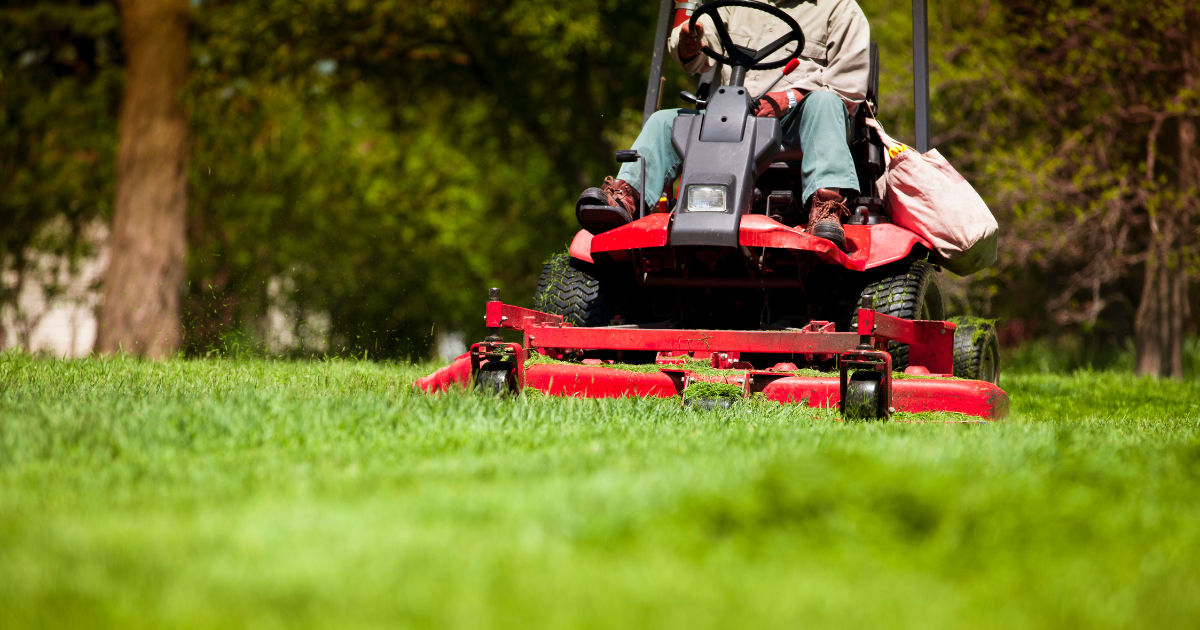
Many homeowners think lawn care is just mowing grass, but full service goes far beyond that. Proper lawn care and maintenance focuses on soil health, grass strength, weed control, and long-term sustainability.
In this comprehensive guide, you will learn exactly what is included in full lawn care and maintenance, why each service matters, and how all the parts work together to create a lawn that looks great year-round.
This guide is written in simple language, with short paragraphs, so it is easy to read and understand for a 12th-grade audience.
Full Lawn Care and Maintenance
Full lawn care and maintenance is a complete system of services designed to keep your lawn healthy, attractive, and functional throughout the year. It includes routine tasks, seasonal treatments, and preventive measures.
Instead of reacting to problems like weeds, brown patches, or pests, full lawn care and maintenance focuses on preventing those issues before they start. This proactive approach saves time, money, and effort in the long run.
Lawn Assessment and Planning
Initial Lawn Evaluation
Every effective lawn care and maintenance plan begins with an assessment. Professionals examine grass type, soil condition, drainage, sun exposure, and existing problems.
This evaluation helps determine what your lawn truly needs. Without this step, treatments may be ineffective or even harmful.
Customized Lawn Care Plan
No two lawns are the same. Full lawn care and maintenance includes creating a customized plan based on your lawn’s size, climate, and usage.
This plan outlines mowing schedules, fertilization timing, weed control methods, and seasonal care tasks.
Regular Lawn Mowing
Proper Mowing Height
Mowing is the most visible part of lawn care and maintenance, but it must be done correctly. Each grass type has an ideal height that promotes strong root growth.
Cutting grass too short weakens it and invites weeds. Cutting it too tall can lead to pests and disease.
Mowing Frequency
Full lawn care and maintenance includes mowing at the right frequency, usually weekly during peak growth seasons.
Consistent mowing keeps grass healthy and prevents stress caused by removing too much blade at once.
Sharp Mower Blades
Dull blades tear grass instead of cutting it cleanly. Proper lawn care and maintenance ensures mower blades are sharp, reducing damage and disease risk.
Edging and Trimming
Clean Lawn Borders
Edging creates clean lines along sidewalks, driveways, and garden beds. It is a key part of professional lawn care and maintenance.
Clean edges make a lawn look polished and well cared for.
Trimming Hard-to-Reach Areas
Grass around trees, fences, and corners cannot be reached by a mower. Trimming ensures these areas match the rest of the lawn.
This detail work completes the overall lawn care and maintenance process.
Fertilization and Soil Nutrition
Importance of Fertilization
Grass needs nutrients to grow strong and green. Fertilization is a core part of lawn care and maintenance.
Without proper nutrients, lawns become thin, pale, and weak.
Types of Fertilizers
Full lawn care and maintenance may include organic or synthetic fertilizers. The choice depends on soil condition and lawn goals.
Organic options improve soil health slowly, while synthetic fertilizers provide quick results.
Fertilization Schedule
Applying fertilizer at the right time is essential. Professional lawn care and maintenance follows a seasonal schedule that matches grass growth cycles.
Weed Control Services
Preventive Weed Control
Weeds compete with grass for water and nutrients. Preventive treatments are a major part of lawn care and maintenance.
Pre-emergent weed control stops weeds before they sprout.
Post-Emergent Weed Treatments
If weeds appear, post-emergent treatments target existing growth. Full lawn care and maintenance uses selective products that kill weeds without harming grass.
Manual Weed Removal
In sensitive areas, manual removal may be used as part of eco-friendly lawn care and maintenance.
Aeration for Healthy Roots
What Is Lawn Aeration?
Aeration involves removing small plugs of soil to improve air, water, and nutrient flow. It is a critical service in lawn care and maintenance.
Compacted soil prevents roots from growing deep.
Benefits of Aeration
Aeration strengthens roots, improves drainage, and reduces thatch buildup. It enhances the effectiveness of all other lawn care and maintenance practices.
When Aeration Is Needed
Most lawns benefit from aeration once or twice a year. Timing depends on grass type and soil condition.
Overseeding and Lawn Thickening
Purpose of Overseeding
Overseeding adds new grass seed to existing turf. It is an important part of lawn care and maintenance for thin or patchy lawns.
New grass fills gaps and improves density.
Seed Selection
Full lawn care and maintenance includes selecting seed that matches your existing grass and climate.
Using the right seed ensures even growth and color.
Overseeding Process
Overseeding is often combined with aeration for best results. This combination strengthens overall lawn care and maintenance outcomes.
Thatch Management
Understanding Thatch
Thatch is a layer of dead grass and roots between soil and grass blades. A small amount is normal.
Excessive thatch blocks water and nutrients, harming lawn care and maintenance efforts.
Dethatching Services
Full lawn care and maintenance includes dethatching when buildup becomes excessive.
This process restores proper soil contact and improves lawn health.
Pest and Insect Control
Common Lawn Pests
Grubs, ants, and other insects damage roots and grass blades. Pest control is a vital part of lawn care and maintenance.
Early detection prevents serious damage.
Preventive Pest Treatments
Preventive treatments stop infestations before they spread. Professional lawn care and maintenance uses targeted solutions.
Safe Pest Control Methods
Modern lawn care and maintenance focuses on safe, environmentally responsible pest control methods.
Disease Management
Lawn Diseases Explained
Fungal diseases cause brown patches, mold, and thinning grass. Moisture and poor airflow often trigger problems.
Disease management is an essential element of lawn care and maintenance.
Preventive Disease Care
Proper mowing, watering, and fertilization reduce disease risk. Full lawn care and maintenance emphasizes prevention.
Treatment Options
When disease occurs, specific treatments are applied to stop spread and promote recovery.
Proper Lawn Watering
Importance of Watering
Water is essential for grass survival. Efficient watering is a key part of lawn care and maintenance.
Overwatering wastes resources, while underwatering weakens grass.
Watering Schedule
Full lawn care and maintenance includes creating a watering schedule based on season and soil type.
Deep, infrequent watering encourages strong root growth.
Irrigation System Checks
Irrigation inspections ensure even coverage and prevent water loss. This supports effective lawn care and maintenance.
Seasonal Lawn Care Services
Spring Lawn Care
Spring lawn care and maintenance focuses on fertilization, weed prevention, and early mowing.
This sets the foundation for the growing season.
Summer Lawn Care
Summer services include proper watering, mowing, and pest monitoring. Stress management is central to lawn care and maintenance during heat.
Fall Lawn Care
Fall is ideal for aeration, overseeding, and fertilization. These tasks strengthen grass for winter.
Winter Lawn Preparation
Winter lawn care and maintenance includes leaf removal and soil protection to prevent damage.
Leaf Removal and Cleanup
Importance of Lawn Cleanliness
Leaves block sunlight and trap moisture. Regular cleanup is part of complete lawn care and maintenance.
Seasonal Cleanup Services
Full lawn care and maintenance includes spring and fall cleanups to maintain lawn health and appearance.
Soil Testing and Improvement
Why Soil Testing Matters
Soil testing reveals nutrient levels and pH balance. This information guides effective lawn care and maintenance.
Soil Amendments
Lime, compost, or sulfur may be added to improve soil health. These adjustments enhance long-term lawn care and maintenance success.
Mulching and Grass Clippings Management
Benefits of Mulching
Mulching grass clippings returns nutrients to the soil. It supports natural lawn care and maintenance.
Proper Mulching Techniques
Full lawn care and maintenance ensures clippings are small enough to decompose quickly.
Professional vs DIY Lawn Care
Benefits of Professional Services
Professionals bring experience, tools, and knowledge to lawn care and maintenance.
They can identify problems early and apply treatments correctly.
DIY Lawn Care Considerations
DIY lawn care and maintenance can work for small lawns but requires time, effort, and learning.
Long-Term Benefits of Full Lawn Care and Maintenance
Healthier Grass
Consistent lawn care and maintenance leads to thicker, greener grass.
Increased Property Value
A well-maintained lawn boosts curb appeal and property value.
Environmental Benefits
Proper lawn care and maintenance improves soil health and reduces water waste.
Conclusion
Full lawn care and maintenance is a comprehensive process that goes far beyond simple mowing. It includes assessment, planning, mowing, fertilization, weed control, aeration, overseeding, pest management, watering, and seasonal care. Each service plays an important role in maintaining a healthy and attractive lawn.
By following a complete lawn care and maintenance plan, homeowners can prevent common lawn problems instead of constantly fixing them. Healthy grass, strong roots, and balanced soil are the result of consistent and informed care.
Whether you choose professional services or a dedicated DIY approach, understanding what full lawn care and maintenance includes helps you make better decisions. With the right plan and regular attention, your lawn can remain green, strong, and beautiful throughout the year.