
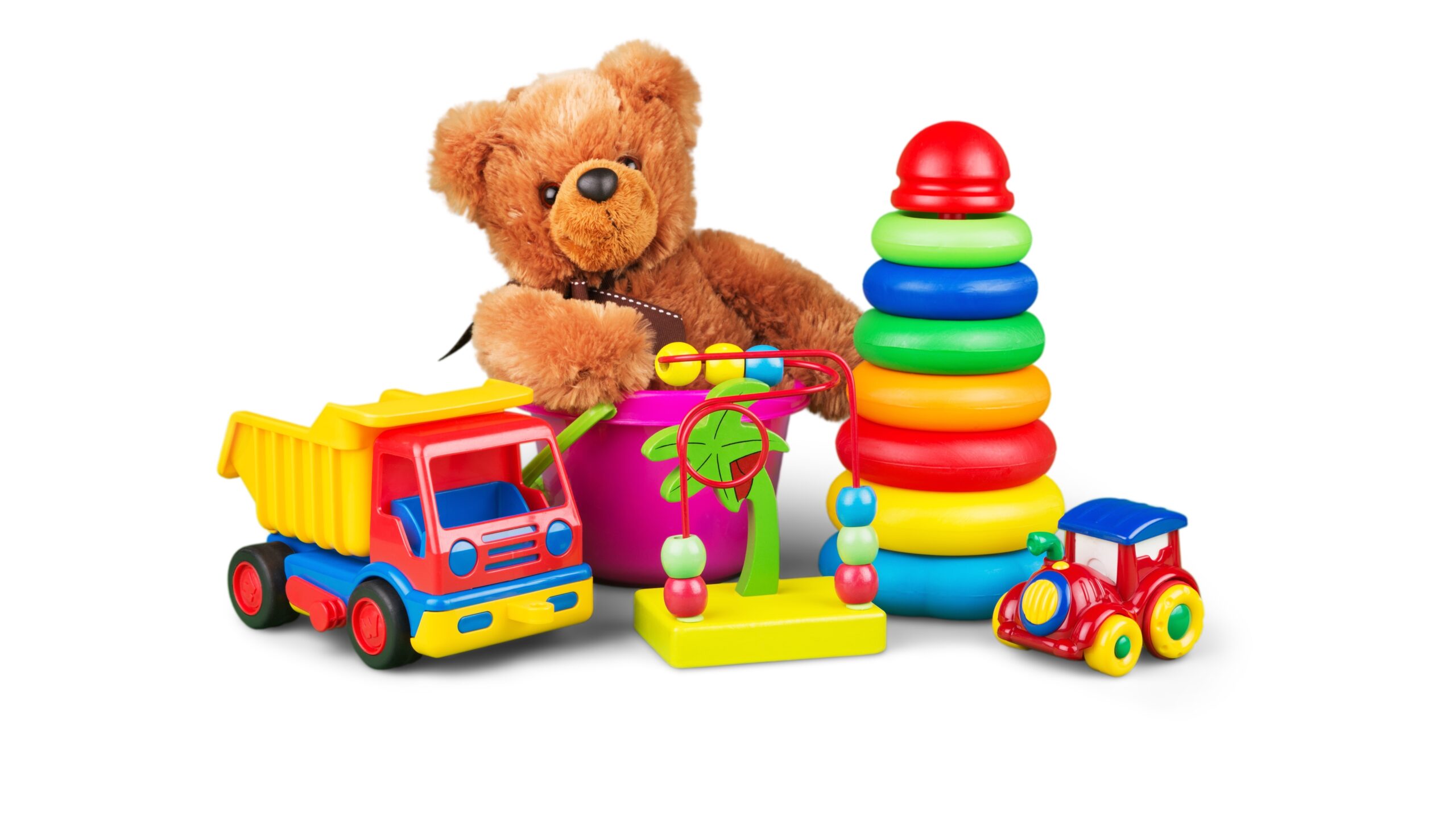
Toys have been a fundamental part of childhood for centuries. From the simplest handmade items to the high-tech gadgets of today, toys have evolved to meet both the needs of children and the cultural trends of their times. While they are often seen merely as instruments of fun and entertainment, toys play a far more significant role in the development of young minds, fostering creativity, problem-solving, social skills, and even emotional growth. But what makes toys so unique? What do they teach us, and how do they serve as a bridge between imagination and reality?
The Magic of Imagination
At the heart of every toy lies a world of imagination. Children, with their boundless creativity, use toys as vessels to transport themselves to different worlds. Whether it’s a simple dollhouse, a set of action figures, or a spaceship, toys serve as tools for children to act out stories, explore different scenarios, and invent new ones.
Imaginative play allows children to experiment with roles, relationships, and social norms. A child playing with dolls might become a parent or a doctor, while action figures may engage in complex battles or adventures. Through these stories, children develop empathy, understand different perspectives, and begin to navigate their emotional worlds. The act of creating narratives around toys also stimulates cognitive growth, enabling children to think critically, solve problems, and understand cause and effect.
Toys as a Learning Tool
Toys have always had an educational component, whether intentionally or by design. In early childhood, toys like stacking rings, shape sorters, and building blocks help children with basic concepts of shape, color, size, and balance. These seemingly simple objects are often the first introduction to fundamental learning skills. As children grow, toys begin to challenge them further with more complex problem-solving opportunities, such as puzzles, board games, or even coding kits.
The educational aspect of toys is not limited to logic and spatial reasoning. Toys like musical instruments or art sets can introduce children to creativity, rhythm, and expression. By playing with toys that allow them to create, children develop confidence and an understanding of their own abilities. Play with educational toys can be a stepping stone toward later achievements in both academics and personal growth.
Social Skills and Connection
Toys are also important for helping children build and strengthen their social skills. When children engage in play with others, they learn how to cooperate, negotiate, and share. Playtime with toys fosters communication and emotional awareness, helping children understand feelings like joy, frustration, and empathy. The dynamic of play between peers can also teach problem-solving in a social context—how to handle disagreements, share space, or even collaborate toward a common goal.
In fact, many toys are designed with group play in mind. Board games, card games, or toys that require teamwork (like LEGO sets or sports equipment) encourage children to interact and learn the dynamics of cooperation. Social play through toys also helps children develop leadership skills, patience, and the ability to understand social cues—skills that will benefit them throughout life.
The Influence of Technology
As technology has advanced, so too has the world of toys. Electronic toys, digital games, and interactive robots have become a prominent part of the toy industry. Toys like tablets, smart dolls, and robotic pets integrate technology into the play experience in ways that were unimaginable just a few decades ago. These toys can teach children everything from basic mathematics to advanced coding, offering an interactive and immersive experience.
While many parents have concerns about screen time, the educational potential of tech-based toys cannot be ignored. Smart toys can assist with learning in unique ways, offering feedback, teaching new concepts, and providing opportunities for children to experiment in ways that traditional toys cannot. The combination of play and technology offers exciting possibilities for personalized learning experiences, ensuring that children stay engaged and motivated.
However, it is important for parents and caregivers to strike a balance between technology-based toys and traditional ones. Both types of toys can coexist to provide a holistic learning experience that fosters a wide range of developmental skills.
The Evolution of Toy Design: Crafting Experience
Historically, toys were simple, often made from natural materials like wood, clay, and fabric. Today’s toys are highly sophisticated, often incorporating various forms of art, engineering, and even psychology. The design process of a toy is as much about creating an enjoyable experience as it is about creating a learning opportunity. Companies now hire child development experts to help ensure that their toys contribute positively to a child’s growth.
This evolution is seen in how toys cater to different developmental stages. For example, toys for infants are designed with sensory exploration in mind, featuring bright colors, soft textures, and sounds that help babies understand their environment. Meanwhile, toys for older children are often complex, engaging multiple senses to stimulate thought, coordination, and dexterity. Many modern toys now feature elements like interactivity, customization, and storytelling, allowing children to personalize their playtime experience.
The Growing Focus on Diversity and Representation
A significant shift in the toy industry in recent years has been the increased focus on diversity and inclusivity. Gone are the days when toys predominantly featured stereotypical characters. Today, there is a growing movement toward making toys that reflect the diversity of the real world, from dolls and action figures that represent various ethnicities to toys that reflect different abilities, genders, and family structures.
Representation matters—children need to see themselves reflected in the toys they play with. When children engage with toys that look like them, they develop a sense of belonging and self-worth. Moreover, these toys can teach them to appreciate diversity and accept others' differences, building empathy and understanding from an early age.
Sustainability and the Future of Toys
As awareness of environmental issues continues to grow, there has been a strong push for more sustainable toy options. Parents are becoming more mindful of the materials used in toys, as well as the long-term impact of plastic waste. Eco-friendly toys made from renewable resources, recycled materials, and biodegradable components are gaining popularity.
The push toward sustainability also encourages manufacturers to think more critically about the lifecycle of toys, promoting practices that ensure toys are not just wasteful products, but long-lasting, impactful items that contribute to the well-being of children and the planet.
Conclusion
Toys are far more than just playthings. They are windows into a child’s world, offering a means of understanding themselves, their emotions, and their surroundings. They foster creativity, learning, social skills, and cognitive growth in ways that are foundational to a child’s development. With the ongoing evolution of toys, from traditional wooden blocks to smart, interactive robots, they continue to serve as an essential bridge between a child’s imagination and the realities they will face in the future. The world of disney 公仔 remains an ever-expanding realm of discovery, joy, and endless possibilities.