
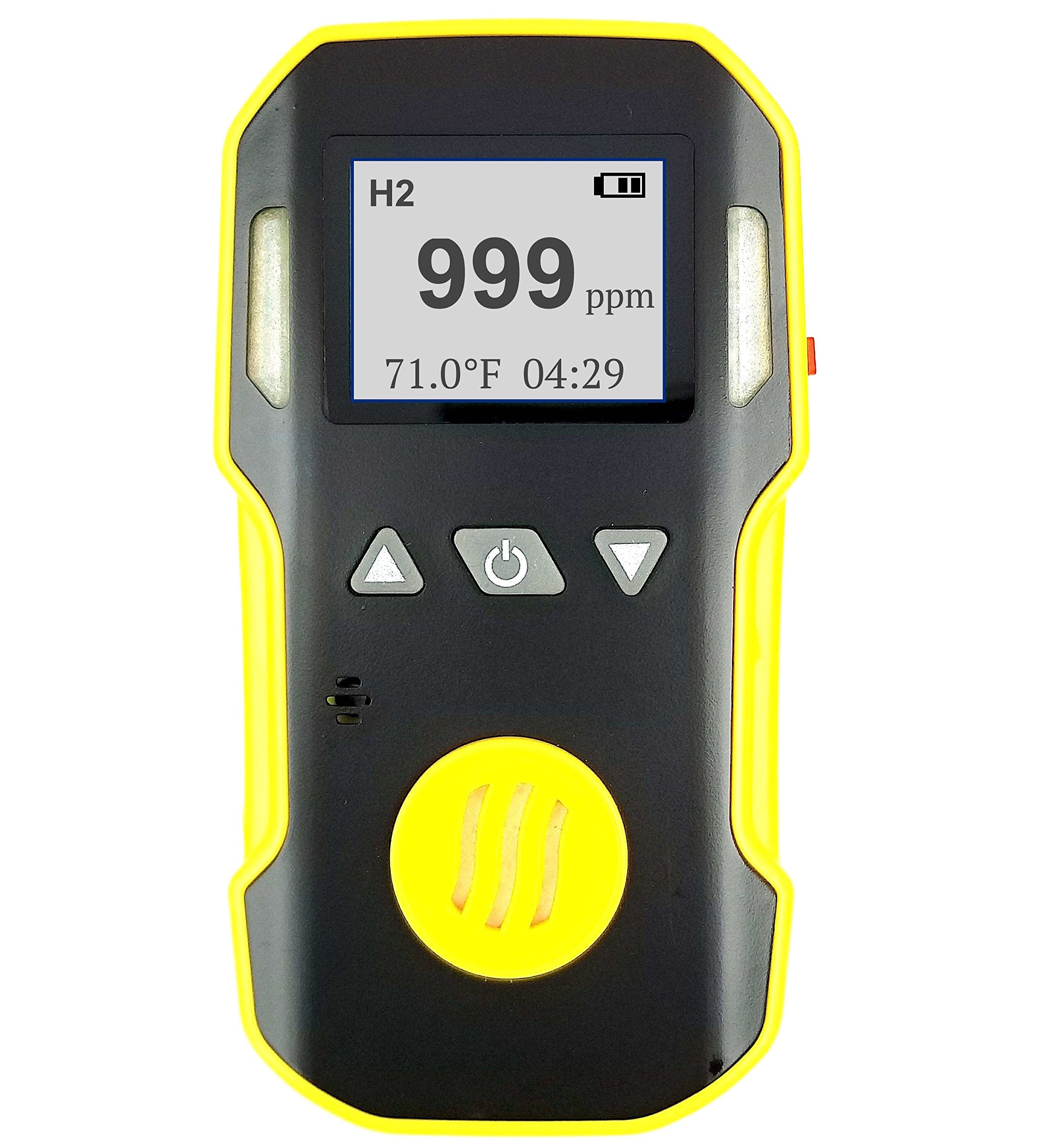
In an age where environmental concerns are at the cutting edge of international talk about, the need for accurate and reliable monitoring of air timber has never been more critical. Gas detectors and analyzers play a pivotal role in this endeavor, employing advanced technologies to measure and psychoanalyze gas concentrations in various environments. From heavy-duty settings to urban landscapes, these devices provide requirement data that informs policy decisions, enhances world refuge, and promotes situation sustainability.
The Importance of Gas Monitoring
Air tone directly impacts human health, ecosystems, and climate change. Pollutants such as carbon paper monoxide, sulfur dioxide, N oxides, and fickle organic fertilizer compounds can have prejudicious personal effects. Monitoring these gases is material for sympathy pollution sources, evaluating the strength of regulatory measures, and ensuring compliance with situation standards.
How Gas Detectors Work
Gas detectors apply various perception technologies to place and quantify gas concentrations. The most commons types let in:
-
Electrochemical Sensors: These sensors work by measurement the electrical flow generated when a gas reacts with a particular . They are wide used for sleuthing virulent gases like carbon paper monoxide and hydrogen sulphide.
-
Infrared Sensors: These utilize infrared light dismount to notice gases based on their unusual soaking up characteristics. When a gas is submit, it absorbs particular wavelengths of get off, allowing the sensing element to quantify its accurately.
-
Photoionization Detectors(PIDs): PIDs use ultraviolet illumination get down to ionise gas molecules. The resultant supercharged particles make a mensurable physical phenomenon current, which correlates to the of inconstant organic compounds in the air.
-
Semiconductor Sensors: These sensors change their physical phenomenon underground in reply to gas exposure. While less particular than other types, they are often used in outboard applications due to their bundle off size and cost-effectiveness.
Advancements in Gas Analyzers
Modern gas analyzers are increasingly sophisticated, offering real-time monitoring, data logging, and remote control capabilities. With advancements in applied science, these can now supply comprehensive examination data depth psychology, allowing for better rendition of state of affairs trends and pollutants.
One significant is the integration of bleached tidings(AI) and simple machine encyclopedism algorithms. These technologies can analyse vast amounts of data gathered by gas detectors, distinguishing patterns and predicting time to come air quality issues. This prophetic capacity enhances the responsiveness of environmental monitoring systems, enabling quicker litigate in the face of emerging threats.
Applications in Environmental Monitoring
Gas detectors and analyzers have different applications across various sectors:
-
Industrial Safety: In manufacturing and chemical processing, monitoring gas levels helps control worker safety and submission with activity health standards.
-
Urban Air Quality: Cities are more and more deploying networks of gas sensors to monitor municipality air contamination, providing real-time data to residents and leading insurance policy decisions.
-
Research and Regulation: Environmental scientists use gas analyzers in sphere studies to tax pollution levels and develop operational regulatory frameworks aimed at reduction emissions.
-
Emergency Response: In scenarios, such as chemical substance spills or gas leaks, fast detection and analysis are vital for operational emergency response and populace safety.
Conclusion
The science of sensing through bump test air monitor detectors and analyzers is revolutionizing state of affairs monitoring. As engineering science continues to develop, these will become even more requisite for safeguarding public health and the . By harnessing the superpowe of nice data solicitation and analysis, we can better sympathize our air timbre challenges and work towards a more property hereafter.