
Learning how to Treat Your ADHD With Games has become an exciting and practical approach for many teens and adults. Attention Deficit Hyperactivity Disorder, commonly known as ADHD, affects focus, impulse control, memory, and emotional regulation.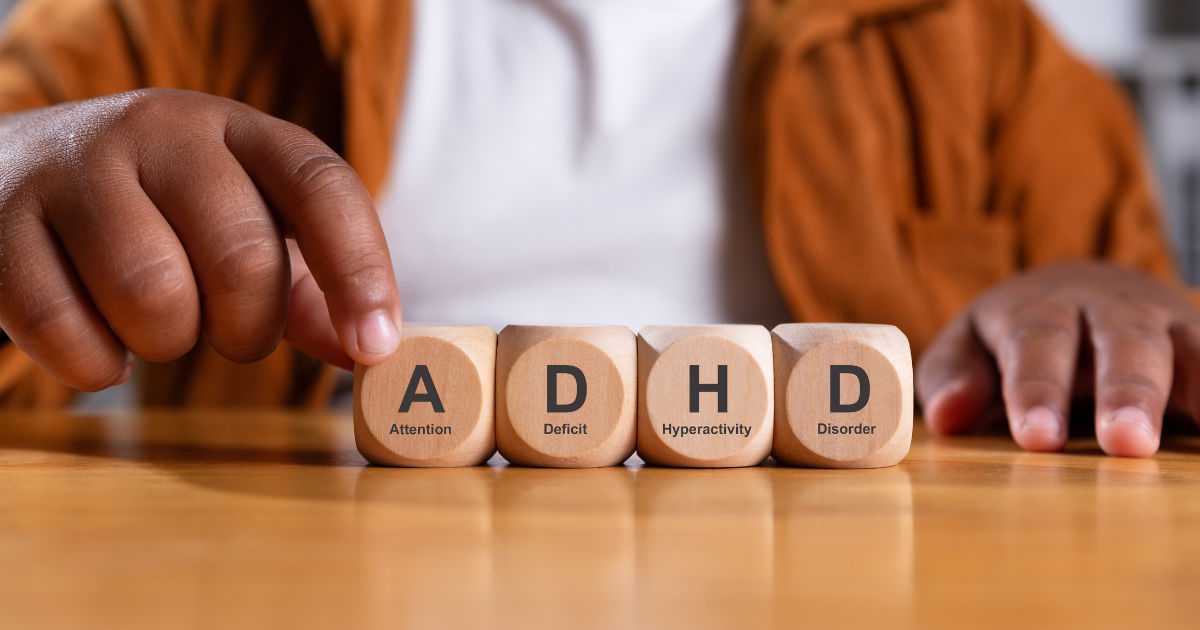
Traditional treatments such as medication and therapy can be helpful, but they are not the only options. Today, many people are discovering that structured and purposeful games can support attention, motivation, and learning in powerful ways.
When used correctly, games are not just entertainment. They can become tools to Treat Your ADHD With Games ( https://onlinemedspharmacy.com/buy-adderall-online/ ) by improving focus, building routines, reducing stress, and strengthening important brain skills.
This guide explains how games work for ADHD, what types of games help most, and how to use them safely and effectively. The goal is to make this approach easy to understand and useful for a 12th-grade reading level.
Understanding ADHD and the ADHD Brain
What ADHD Really Is
ADHD is a neurodevelopmental condition. It affects how the brain manages attention, motivation, time, and emotions. People with ADHD often struggle with staying focused, completing tasks, and controlling impulses. However, they may also be creative, energetic, and highly curious.
To Treat Your ADHD With Games, it helps to understand how the ADHD brain works. The ADHD brain has lower levels of dopamine, a chemical that helps regulate motivation and reward. This is why boring tasks feel painful, while exciting activities feel easy to focus on.
Why Games Attract the ADHD Brain
Games naturally provide rewards, feedback, goals, and stimulation. These elements increase dopamine. That is why games feel engaging and satisfying. When designed or chosen carefully, games can help Treat Your ADHD With Games by working with the brain instead of against it.
Why Games Can Help Treat ADHD
Motivation and Dopamine Boost
One major reason people use games to Treat Your ADHD With Games is motivation. Games provide instant rewards, points, levels, and progress tracking. This keeps the brain engaged and encourages task completion.
Clear Structure and Rules
Games have clear rules and goals. This structure helps people with ADHD understand expectations and stay focused. When you Treat Your ADHD With Games, structure reduces overwhelm and improves consistency.
Safe Practice for Real-Life Skills
Games allow players to practice attention, planning, emotional control, and decision-making in a safe environment. Mistakes are part of learning, not failure.
Types of Games That Help Treat ADHD
Video Games Designed for ADHD
Some video games are created specifically to Treat Your ADHD With Games. These games focus on attention training, working memory, and impulse control.
Action-based games can improve reaction time and focus. Puzzle games strengthen problem-solving and patience. Strategy games support planning and organization.
Board Games and Card Games
Board games are excellent tools to Treat Your ADHD With Games without screens. Games like chess, checkers, Uno, and memory games improve focus and self-control.
Turn-based games teach waiting, rule-following, and emotional regulation. These are skills many people with ADHD need to practice.
Educational and Brain-Training Games
Brain-training apps and educational games are designed to improve memory, attention, and processing speed. When used consistently, they can Treat Your ADHD With Games by strengthening cognitive skills.
These games are often short, which works well for limited attention spans.
Physical and Movement-Based Games
Movement-based games are especially helpful. Sports, dance games, and active video games help release excess energy. Physical activity also improves focus and mood.
Using movement to Treat Your ADHD With Games supports both the body and the brain.
How Games Improve ADHD Symptoms
Improving Focus and Attention
Many games require sustained attention. Over time, this practice helps the brain build focus. When you Treat Your ADHD With Games regularly, attention skills can slowly improve.
Strengthening Working Memory
Working memory is the ability to hold information in your mind. Games that require remembering rules, sequences, or strategies help build this skill.
Enhancing Emotional Regulation
Games teach players how to manage frustration, loss, and excitement. These emotional skills transfer to real-life situations.
Supporting Time Management
Timed challenges and levels teach players how to manage time and pace. This is helpful for school and daily life.
Using Games as Part of a Treatment Plan
Games Are a Support, Not a Cure
It is important to understand that using games to Treat Your ADHD With Games is not a complete replacement for professional care. Games work best as part of a balanced treatment plan that may include therapy, coaching, medication, and lifestyle changes.
Setting Clear Goals
Before using games, decide what you want to improve. Focus, memory, organization, or emotional control are common goals. Clear goals help you choose the right games.
Creating Healthy Boundaries
Too much gaming can cause problems. Set time limits and schedules. When you Treat Your ADHD With Games responsibly, balance is key.
Best Game Features for ADHD Support
Immediate Feedback
Games that show progress instantly are ideal. Feedback keeps motivation high and reduces frustration.
Short Levels and Tasks
Short levels match shorter attention spans. Completing small tasks builds confidence and momentum.
Adjustable Difficulty
Games that adjust difficulty help prevent boredom and overwhelm.
Rewards and Progress Tracking
Points, badges, and levels encourage consistency. These features make it easier to Treat Your ADHD With Games long-term.
Age-Specific Gaming Strategies
Children and Teens
For younger players, games should focus on fun, learning, and structure. Parental guidance helps maintain balance and safety.
College Students and Adults
Adults can use games to improve focus, stress management, and productivity. Strategy and simulation games work well.
ADHD and Family Gaming
Family game nights strengthen relationships while helping everyone practice attention and patience together.
Screen Time and ADHD
Managing Screen Use
Screen time must be managed carefully. Too much screen exposure can worsen sleep and attention problems.
Choosing Quality Over Quantity
It is better to play one helpful game than many random ones. Quality matters when you Treat Your ADHD With Games.
Balancing Screens With Offline Activities
Mix digital games with board games and physical play for the best results.
Turning Daily Tasks Into Games
Gamifying Homework and Chores
Turning tasks into games is a powerful way to Treat Your ADHD With Games. Use points, timers, and rewards for completing tasks.
Apps and Tools for Gamification
Many apps turn daily routines into games. These tools help build habits and reduce procrastination.
Building Consistency Through Play
When tasks feel fun, they are easier to repeat. Consistency leads to real improvement.
The Science Behind Games and ADHD
Research on Cognitive Training
Studies show that certain games can improve attention and working memory. Results vary, but consistent use shows benefits.
Neuroplasticity and Learning
The brain can change through practice. Games take advantage of neuroplasticity to strengthen skills.
Motivation-Based Learning
Games use motivation to drive learning. This is especially effective for ADHD brains.
Common Mistakes to Avoid
Using Games as an Escape
Games should not replace responsibilities. When you Treat Your ADHD With Games, they should support real-life goals.
Ignoring Sleep and Health
Gaming late at night can harm sleep. Good sleep is essential for managing ADHD.
Expecting Instant Results
Improvement takes time. Games help gradually, not overnight.
Combining Games With Other ADHD Strategies
Exercise and Nutrition
Physical activity and healthy eating improve focus and mood. Games work best when combined with healthy habits.
Therapy and Coaching
Behavioral therapy and ADHD coaching provide guidance and structure. Games reinforce these lessons.
Mindfulness and Relaxation
Some games include calming elements that support relaxation and emotional control.
Building a Personalized Game Plan
Identifying Strengths and Challenges
Everyone with ADHD is different. Choose games that match your needs and interests.
Tracking Progress
Keep notes on improvements in focus, mood, or productivity. Tracking helps you adjust your plan.
Adjusting Over Time
As skills improve, change games or increase challenges to continue growth.
Long-Term Benefits of Using Games for ADHD
Increased Confidence
Success in games builds confidence that transfers to school and work.
Better Self-Awareness
Games help players understand their attention patterns and emotional triggers.
Lifelong Skill Development
Skills learned through games can support lifelong learning and success.
Conclusion
Learning how to Treat Your ADHD With Games offers a creative and supportive path for managing symptoms. Games engage the ADHD brain through motivation, structure, and reward. When chosen carefully and used responsibly, they can improve focus, memory, emotional control, and daily functioning.
It is important to remember that games are tools, not cures. They work best alongside professional support, healthy routines, and self-awareness. By setting limits, choosing the right games, and focusing on real-life goals, anyone can use games as a positive force.
When you Treat Your ADHD With Games thoughtfully, play becomes more than fun. It becomes a meaningful way to grow, learn, and thrive with ADHD.