
When a Quiet Shift Turns Messy
It was just after sunup when the first pallet rolled off the truck and the tape by Gate 3 gave way. The crew figured robotics software would smooth things out, like it usually does. But by mid-morning, three AMRs paused at the same choke point, and folks started hand-pulling carts because orders were backing up.
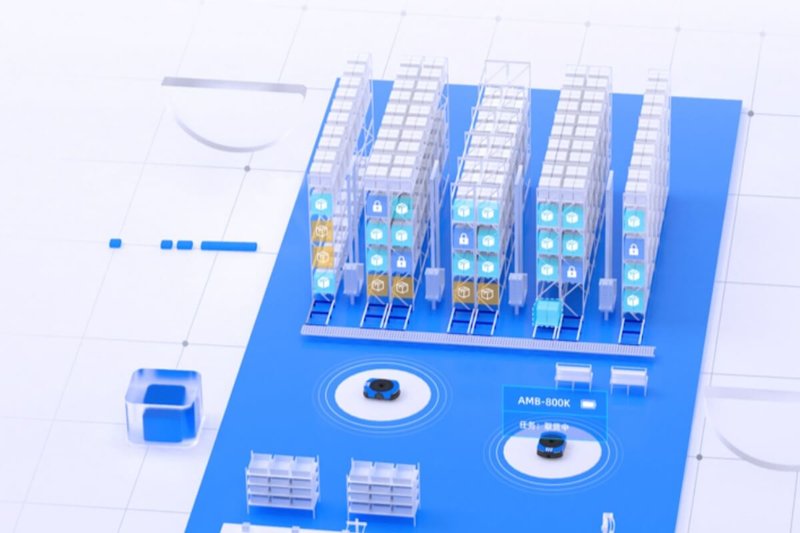
The data wasn’t shy. Idle time climbed past 12% for the shift, queue wait jumped to 3.7 minutes, and a picker lost two aisles to blockages. That’s not a meltdown, but it’s enough to sting payroll and morale (and patience). So here’s the kicker: if the robots are smart, why do little layout shifts scramble them like cracked eggs?
We’ll set the table plain and simple, then get into what’s really causing the stalls—and how to stop them for good. Let’s head to the root of it.
The Deeper Fault Line Under Fancy Maps
Why do good pilots fail at scale?
At its core, robotic amr software must do three things: perceive, decide, and move. Traditional stacks often strain at step two. Static or brittle SLAM maps don’t like live changes, and central schedulers become traffic cops at the worst time. When a floor lane shifts or a pallet leans, fleet orchestration can bottleneck. QoS settings on ROS 2 links get touchy under noisy Wi-Fi, and path planning builds pretty routes that ignore fast-changing human traffic. Look, it’s simpler than you think: the old way assumes a steady world; the real world wiggles. Even battery behavior joins the mess—regen into power converters can throw off braking profiles and cause awkward stops in narrow aisles.
Hidden pain points deepen the cut. Operators must re-mark zones after every tweak, then chase logs they can’t parse on a busy Tuesday. Vendor lock-in makes a small detour feel like a full rebuild. Edge computing nodes get starved when bandwidth is thin, so maps update late, not live. Safety PLC trips add resets and radio chatter—funny how that bogs traffic right when lunch rush hits, right? Add it up and you’ve got a fleet that looks steady in a pilot but stumbles when the volume spikes for real. That’s the fault line, not the forklift driver, not the tape.
What Changes the Game Next
What’s Next
Let’s talk about new principles, not just new parts. Modern stacks push brains closer to the wheels. Decentralized planners run on-robot, so route choices adapt in milliseconds rather than waiting on a busy hub. Dynamic cost maps feed off local sensors and edge computing nodes, so a surprise pallet becomes a gentle nudge, not a hard stop. Standards like VDA5050 and lightweight MQTT let mixed fleets talk without translation fights. And a digital twin acts like a safe pasture: you test changes, apply bandwidth shaping, tune QoS, and watch how SLAM and perception behave—before a single unit rolls on concrete. The difference isn’t flash; it’s flow.
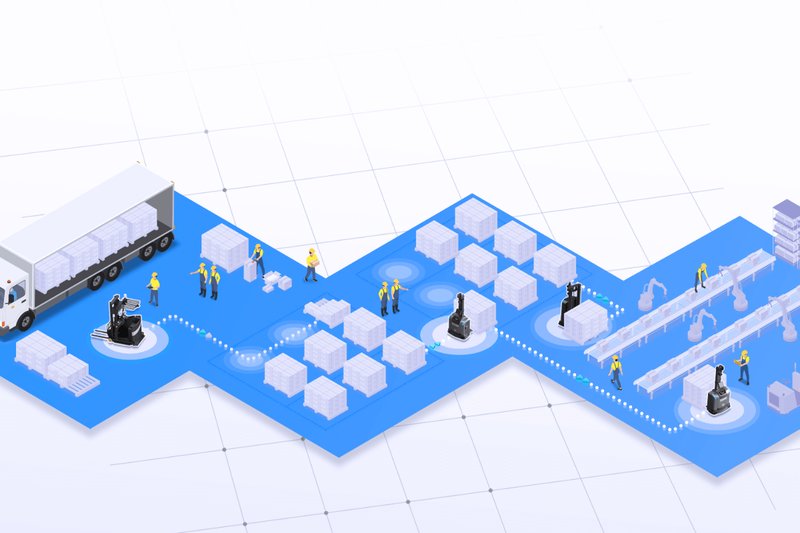
In one mid-size site, the team compared a central brain against a distributed model driven by robotic amr software. With local autonomy, dock queues fell under a minute and recoveries went hands-free in most edge cases—no jog to the tablet, no reset dance—because each unit re-located and re-routed on its own. Mix in intent-based dispatch instead of fixed missions, and the fleet smoothed peaks without overbuilding. Less drama, more throughput. And when layout lines moved (they always do), the map updated in the background—no weekend tape party, no “please stand by” signs. Small changes stopped causing big slowdowns—funny how that works, right?
How to Choose Without Guessing
Pick with your eyes open. Three metrics beat hunches every time: – Change Latency: measure the minutes from a layout or rule update to safe adoption on live routes, under load. – Recovery Autonomy: count self-resolves per 8-hour shift without human touch—obstacle clears, re-localizations, and mission rebinds. – Bandwidth Discipline: track per-robot network use at peak and how QoS prioritizes safety and control over chatter. If a platform hits these marks in your aisles, the rest follows. And if you want a name to bookmark for later study, keep this handy: SEER Robotics.