
In modern manufacturing and distribution, the Packing Machine plays a crucial role in improving accuracy, speed, and consistency. A Packing Machine is no longer just a piece of industrial equipment;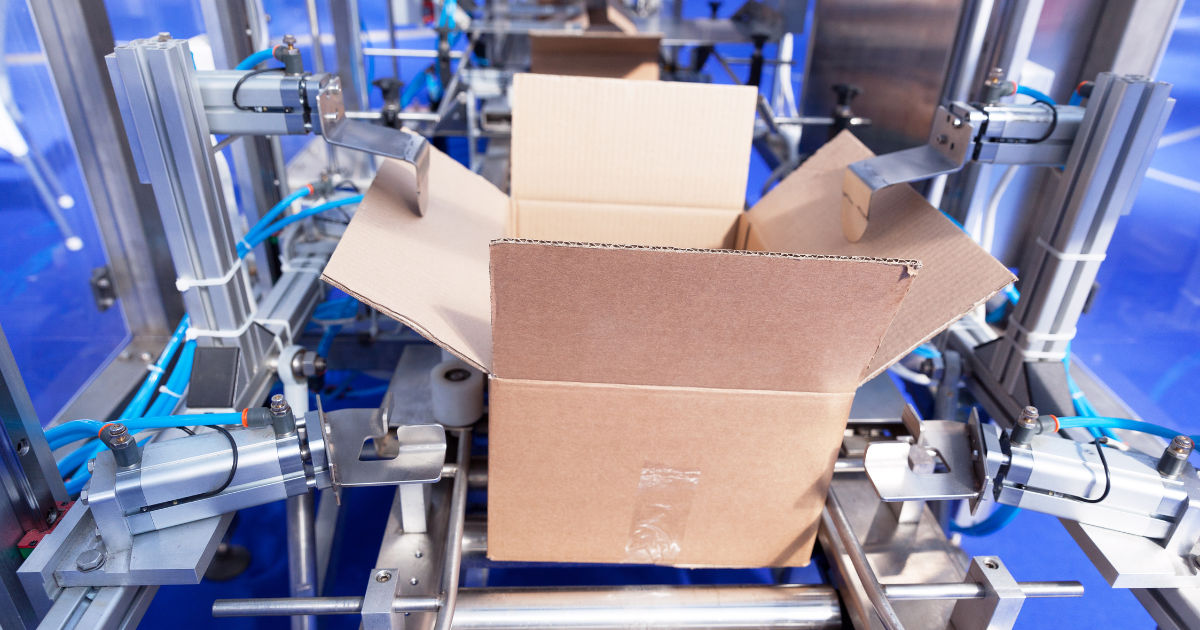
it is a complete automation system designed to reduce human mistakes and improve product quality. As industries grow, the demand for precision increases, and the Packing Machine becomes essential in meeting that demand.
A Packing Machine helps businesses minimize costly packaging errors such as incorrect weights, wrong labeling, and product damage. By replacing manual processes with automated systems, a Packing Machine ensures that every product follows the same packaging standard. This consistency is one of the main reasons companies invest in a Packing Machine today.
Another important advantage of a Packing Machine is its ability to handle large production volumes without reducing accuracy. Human workers may become tired or distracted, leading to mistakes, but a Packing Machine maintains the same level of performance throughout long production cycles.
This reliability makes the Packing Machine a key tool in industries like food processing, pharmaceuticals, and logistics.Overall, understanding how a Packing Machine reduces errors helps us see why automation is becoming the backbone of modern packaging systems.
In the following sections, we will explore how a Packing Machine works, the types of errors it prevents, and why it is so important in today’s industrial world.
Packing Automation and Error Reduction
Packing automation refers to the use of machines and systems to complete packaging tasks with minimal human involvement. A Packing Machine is at the center of this process, ensuring accuracy and consistency at every step. By automating repetitive tasks, a Packing Machine reduces the chance of human mistakes that often occur in manual packaging environments.
One of the biggest benefits of a Packing Machine is its ability to follow programmed instructions precisely. Unlike manual workers, a Packing Machine does not interpret instructions differently or forget steps. This eliminates variation in packaging results and improves product uniformity.
A Packing Machine also improves workflow efficiency by integrating multiple functions such as filling, sealing, labeling, and weighing. When all these tasks are automated, the risk of communication errors between workers is removed. This makes the Packing Machine a highly reliable system for maintaining quality control.
In addition, a Packing Machine helps companies maintain compliance with industry standards. Whether it is food safety regulations or pharmaceutical accuracy requirements, a Packing Machine ensures that each package meets strict guidelines. This reduces the risk of regulatory penalties caused by packaging mistakes.
As industries continue to expand, the role of the Packing Machine in reducing operational errors becomes even more important. Automation is no longer optional—it is a necessity for maintaining competitiveness.
Common Packing Errors in Manual Systems
Before understanding the advantages of automation, it is important to look at the types of errors that occur in manual packaging systems. A Packing Machine is specifically designed to eliminate these problems and improve overall efficiency.
One common issue is incorrect product measurement. In manual systems, workers may accidentally overfill or underfill packages. A Packing Machine solves this by using precise sensors and automated weighing systems to ensure accuracy every time.
Another frequent problem is labeling mistakes. Human workers may attach wrong labels or misprint information. A Packing Machine reduces this risk by automating labeling processes and ensuring consistency across all packages.
Product contamination is also a major concern in manual environments. A Packing Machine minimizes human contact, reducing the chances of contamination, especially in food and pharmaceutical industries.
Additionally, manual systems often suffer from inconsistent sealing. A poorly sealed package can lead to product damage or spoilage. A Packing Machine ensures uniform sealing strength and quality.
Fatigue and distraction are also key factors behind packaging errors. As workers get tired, mistakes increase. A Packing Machine eliminates this issue by operating continuously with stable performance.
Overall, these common errors highlight why industries are shifting toward automation and relying on the Packing Machine for precision and reliability.
How Packing Automation Works in a Packing Machine
A Packing Machine operates through a combination of mechanical systems, sensors, and software controls. This integration allows it to perform complex tasks with high accuracy and minimal human intervention.
The process usually begins with product feeding. A Packing Machine automatically receives products from a conveyor system and prepares them for packaging. This reduces manual handling errors and improves speed.
Next, the measuring system inside the Packing Machine ensures that each package contains the correct quantity. This is done using advanced weighing sensors or volumetric measurement systems.
After measurement, the Packing Machine moves to the filling stage. Products are placed into packaging materials with precision, reducing waste and inconsistency.
Sealing is another important step. A Packing Machine uses heat sealing, pressure sealing, or other methods to ensure airtight and secure packaging. This reduces the risk of leaks or damage.
Finally, labeling and coding are completed automatically. A Packing Machine prints accurate information such as batch numbers, expiry dates, and barcodes without human intervention.
Because every stage is controlled digitally, a Packing Machine significantly reduces the chances of errors and ensures uniform output.
Key Technologies That Reduce Errors
Modern automation systems rely on advanced technologies to improve accuracy. A Packing Machine integrates several of these technologies to minimize mistakes in packaging processes.
One important technology is sensor-based detection. A Packing Machine uses sensors to monitor product quantity, position, and alignment. This ensures that every package is filled correctly.
Another key technology is PLC (Programmable Logic Controller). A Packing Machine uses PLC systems to control operations and maintain precision throughout the packaging cycle.
Vision systems are also widely used. A Packing Machine equipped with cameras can detect labeling errors, missing items, or incorrect packaging.
Weight control systems are another essential feature. A Packing Machine constantly checks package weight to ensure consistency and compliance with standards.
Automation software also plays a major role. A Packing Machine uses intelligent programming to adjust settings in real time, reducing the possibility of human error.
With these technologies working together, a Packing Machine becomes a highly reliable system capable of maintaining quality at large production scales.
Role of Packing Machine in Accuracy Control
The main purpose of a Packing Machine is to maintain accuracy in every stage of packaging. This includes measurement, filling, sealing, and labeling. A Packing Machine ensures that all these processes are consistent and error-free.
One of the most important roles of a Packing Machine is weight accuracy. Even a small deviation in product weight can cause financial losses or customer dissatisfaction. A Packing Machine eliminates this risk through precise calibration systems.
Another key role is maintaining packaging consistency. A Packing Machine ensures that every product looks identical, which improves brand reputation and customer trust.
A Packing Machine also plays a critical role in reducing waste. By controlling material usage accurately, it prevents overuse of packaging materials and reduces production costs.
In quality-sensitive industries like pharmaceuticals, a Packing Machine ensures compliance with strict safety standards. This reduces the risk of product recalls and legal issues.
Overall, the Packing Machine acts as a central control system that ensures every product meets required specifications.
Human Error vs Automation
Human error is one of the biggest challenges in manual packaging systems. A Packing Machine helps eliminate these errors by automating repetitive tasks and maintaining consistent performance.
In manual systems, workers may misread instructions or lose focus. A Packing Machine follows programmed instructions without deviation, ensuring accuracy at all times.
Fatigue is another major issue. Humans get tired, especially during long shifts. A Packing Machine operates continuously without losing efficiency.
Training differences also affect performance. Not all workers have the same skill level. A Packing Machine removes this variation by standardizing the process.
However, it is important to note that a Packing Machine still requires proper setup and maintenance. Human supervision ensures that the machine continues to operate correctly.
Despite these considerations, the overall reduction in errors achieved by a Packing Machine is significantly higher than manual systems.
Industry Applications of Packing Automation
Different industries rely on a Packing Machine to reduce errors and improve productivity. Each industry benefits in unique ways.
In the food industry, a Packing Machine ensures hygiene, accurate portioning, and proper sealing. This prevents contamination and food waste.
In the pharmaceutical industry, a Packing Machine ensures precise dosage packaging and accurate labeling, which is critical for patient safety.
In e-commerce and logistics, a Packing Machine speeds up order fulfillment and reduces shipping errors. It ensures that the right product reaches the right customer.
In chemical industries, a Packing Machine handles hazardous materials safely and reduces human exposure.
Across all these industries, the Packing Machine improves efficiency and reduces costly packaging mistakes.
Benefits of Error Reduction Through Automation
Reducing errors has many benefits, and a Packing Machine plays a central role in achieving this.
First, it improves product quality. A Packing Machine ensures that every item is packaged correctly and consistently.
Second, it reduces operational costs. Fewer errors mean less waste and fewer returns, making the Packing Machine cost-effective.
Third, it increases customer satisfaction. When products are delivered correctly, customers trust the brand more.
A Packing Machine also improves production speed without sacrificing accuracy. This allows companies to scale their operations efficiently.
Additionally, it enhances workplace safety by reducing manual handling tasks. A Packing Machine minimizes risks associated with repetitive work.
Challenges and Limitations
Although a Packing Machine offers many advantages, it also comes with certain challenges.
One limitation is the initial cost. A Packing Machine can be expensive to install and set up, especially for small businesses.
Another challenge is maintenance. A Packing Machine requires regular servicing to maintain performance and avoid breakdowns.
Technical expertise is also required. Operators must understand how a Packing Machine works to manage it effectively.
Despite these challenges, the long-term benefits of a Packing Machine outweigh the limitations in most industries.
Future of Packing Automation
The future of packaging is highly dependent on smart technology. A Packing Machine will continue to evolve with artificial intelligence, robotics, and IoT integration.
Future Packing Machine systems will be more intelligent, capable of self-correction and predictive maintenance.
Automation will also become more affordable, allowing smaller businesses to adopt Packing Machine technology.
Sustainability will play a key role. A Packing Machine will help reduce material waste and support eco-friendly packaging solutions.
As technology advances, the Packing Machine will become even more essential in reducing errors and improving efficiency.
Conclusion
In conclusion, the Packing Machine is one of the most important innovations in modern packaging systems. It significantly reduces errors by automating repetitive tasks, improving accuracy, and maintaining consistency across all packaging operations.
From measurement and filling to sealing and labeling, the Packing Machine ensures that every step is performed with precision. It eliminates common human errors such as mislabeling, incorrect weighing, and inconsistent sealing.
Although there are challenges such as cost and maintenance, the long-term benefits of a Packing Machine far outweigh these limitations. Industries such as food processing, pharmaceuticals, and logistics rely heavily on the Packing Machine to maintain quality and efficiency.
As technology continues to advance, the Packing Machine will become even more intelligent and reliable, further reducing errors and improving industrial productivity. Its role in modern manufacturing is not just important—it is essential for future growth.