
Shipping containers travel through different climates, temperatures, and humidity levels before reaching their destination.
During this journey, moisture becomes one of the biggest hidden threats to goods. This is where the desiccant container strip plays a vital role. A desiccant container strip is specially designed to absorb excess moisture inside containers, helping protect products from damage caused by condensation, mold, corrosion, and spoilage. In this comprehensive guide, you will learn why a desiccant container strip is used in containers, how it works, and why it has become an essential tool in modern logistics.
This article is written in simple language for a 12th-grade audience, using short paragraphs and clear explanations to make the topic easy to understand.
Moisture Problems Inside Containers
Shipping containers may look strong and sealed, but they are not moisture-proof. Moisture can enter containers in several ways, including humid air trapped inside during loading, temperature changes during transit, and external weather conditions.
When warm, humid air cools down, it turns into water droplets. This process is called condensation. Inside a container, condensation can drip onto cargo, causing serious damage. A desiccant container strip is used to manage this moisture before it turns into a problem.
Without moisture control, containers can become a dangerous environment for many types of goods. This is why moisture management is a major concern in global shipping.
What Is a Desiccant Container Strip?
A desiccant container strip is a long, narrow moisture-absorbing product designed specifically for shipping containers. It is usually hung along the walls or doors of a container. The strip contains desiccant materials that absorb moisture from the air.
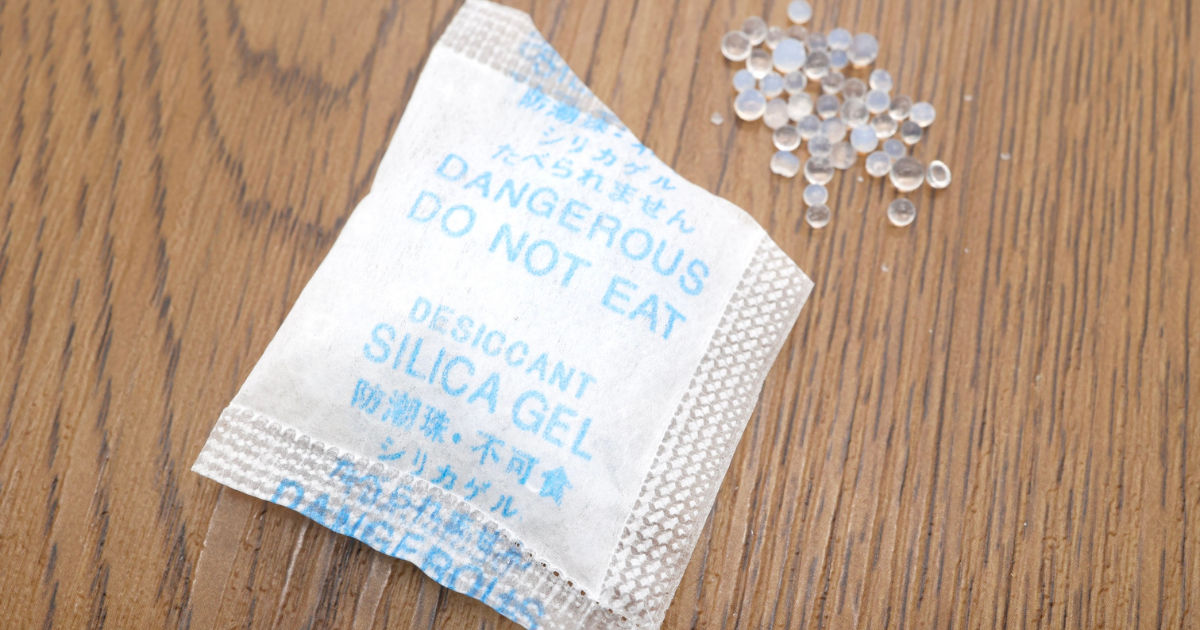
Unlike small desiccant packets, a desiccant container strip has a high absorption capacity. It can handle the large amount of moisture that builds up during long-distance shipping. The design allows air to flow easily around it, making moisture absorption more effective.
A desiccant container strip is commonly used in sea containers, storage containers, and export packaging.
How a Desiccant Container Strip Works
The working principle of a desiccant container strip is simple but highly effective. The strip contains hygroscopic materials, which means they attract and hold water molecules from the air.
As humidity rises inside the container, the desiccant container strip starts absorbing moisture. Instead of letting water settle on cargo surfaces, the strip traps it safely inside. Some strips turn the absorbed moisture into gel, preventing leaks or spills.
This process continues throughout the journey, helping maintain a dry and stable environment inside the container.
Why Containers Are Highly Prone to Moisture
Containers face extreme environmental changes during shipping. A container may start its journey in a hot, humid port and end in a cold, dry location. These changes cause repeated heating and cooling cycles.
When temperatures drop, moisture in the air condenses on container walls and ceilings. This phenomenon is often called “container rain.” A desiccant container strip helps reduce this effect by lowering the humidity level inside the container.
Because containers are made of metal, they react quickly to temperature changes, increasing the risk of condensation. This makes moisture control essential.
Protecting Cargo from Mold and Mildew
Mold and mildew grow in damp environments. Once moisture settles on cargo, especially organic materials, mold growth can begin within days.
A desiccant container strip keeps humidity levels low, making it difficult for mold to survive. This is especially important for goods like textiles, leather, paper products, and food packaging.
By using a desiccant container strip, exporters can prevent unpleasant odors, discoloration, and health risks associated with mold.
Preventing Rust and Corrosion
Metal products are highly sensitive to moisture. Even a small amount of condensation can cause rust to form on metal surfaces.
A desiccant container strip absorbs excess moisture before it reaches metal goods. This protection is critical for machinery, tools, automotive parts, and electronic components.
Rust not only affects appearance but can also weaken structural integrity. Using a desiccant container strip helps maintain product quality and performance.
Role in Protecting Electronic Goods
Electronics are extremely vulnerable to humidity. Moisture can damage circuit boards, cause short circuits, and reduce product lifespan.
A desiccant container strip creates a dry environment inside the container, protecting sensitive electronic components. This is why electronics manufacturers rely heavily on desiccant solutions during shipping.
By preventing moisture-related failures, a desiccant container strip helps reduce costly returns and warranty claims.
Importance for Food and Agricultural Products
Many food and agricultural products must remain dry during transport. Excess moisture can lead to spoilage, clumping, or contamination.
A desiccant container strip helps control humidity levels, preserving product freshness and quality. Products such as grains, seeds, coffee beans, and spices benefit greatly from moisture control.
Using a desiccant container strip also helps maintain compliance with food safety standards during shipping.
Supporting Long-Distance and Sea Freight Shipping
Sea freight is one of the most challenging environments for cargo. Containers are exposed to salty air, high humidity, and temperature swings.
A desiccant container strip is especially useful in sea freight because it continuously absorbs moisture throughout the journey. Long transit times make moisture control even more critical.
Without a desiccant container strip, goods shipped overseas face a much higher risk of damage.
Reducing Financial Losses in Logistics
Moisture damage leads to product loss, customer complaints, and insurance claims. These issues increase operational costs for businesses.
By using a desiccant container strip, companies can significantly reduce moisture-related damage. This leads to fewer losses and improved customer satisfaction.
In many cases, the cost of a desiccant container strip is far lower than the cost of replacing damaged goods.
Improving Product Shelf Life
Many products have a limited shelf life that can be shortened by exposure to moisture. This is especially true for pharmaceuticals, chemicals, and packaged foods.
A desiccant container strip helps maintain stable humidity levels, extending the usable life of products. This is important for businesses that store or transport goods for extended periods.
Longer shelf life also means better inventory management and reduced waste.
Easy Installation and Use
One of the advantages of a desiccant container strip is its ease of use. It can be quickly hung inside a container without special tools.
The strip starts working immediately after installation. There is no need for electricity or maintenance during transit.
This simplicity makes the desiccant container strip a practical solution for companies of all sizes.
Environmentally Friendly Moisture Control
Many modern desiccant container strip products are designed with environmental safety in mind. They use non-toxic materials and leak-proof designs.
Some strips can even be disposed of safely after use. This makes them an eco-friendly choice compared to other moisture control methods.
Sustainable packaging practices increasingly include the use of a desiccant container strip.
Versatility Across Different Industries
A desiccant container strip is used in many industries, including manufacturing, agriculture, pharmaceuticals, electronics, and retail.
Its versatility makes it suitable for protecting a wide range of products. Whether shipping raw materials or finished goods, a desiccant container strip provides reliable moisture control.
This wide application explains its growing popularity in global trade.
Enhancing Brand Reputation
Delivering products in perfect condition builds trust with customers. Moisture-damaged goods can harm a company’s reputation.
Using a desiccant container strip shows a commitment to quality and care. Customers are more likely to trust brands that take preventive measures during shipping.
This small investment can lead to long-term brand loyalty.
Compliance with International Shipping Standards
Many international shipping guidelines recommend moisture control measures. In some cases, failing to protect goods from moisture can lead to rejected shipments.
A desiccant container strip helps meet these requirements. It ensures that goods arrive in acceptable condition, regardless of climate changes.
This compliance is especially important for exporters dealing with strict quality standards.
Why Desiccant Strips Are Better Than Traditional Methods
Traditional moisture control methods, such as ventilation or plastic wrapping, are often not enough. They may reduce moisture but cannot eliminate it.
A desiccant container strip actively absorbs moisture, making it far more effective. Unlike passive methods, it works continuously throughout the journey.
This efficiency makes the desiccant container strip a preferred choice in modern shipping.
Cost-Effectiveness Over Time
While there is a small upfront cost, a desiccant container strip saves money in the long run. It reduces product damage, returns, and insurance claims.
Businesses that regularly ship goods quickly see the financial benefits. The strip pays for itself by preventing losses.
This cost-effectiveness is one of the main reasons companies continue to use desiccant container strip solutions.
Adapting to Different Climate Conditions
Shipping routes often cross multiple climate zones. A container may experience tropical humidity and cold temperatures within the same journey.
A desiccant container strip adapts to these changes by continuously absorbing moisture. It works effectively in both hot and cold environments.
This adaptability makes it ideal for international shipping.
Enhancing Safety During Storage
Containers are not only used for transport but also for storage. Stored containers can trap moisture over time.
A desiccant container strip helps keep stored goods dry and safe. This is especially useful for long-term storage in warehouses or outdoor areas.
By controlling moisture, the strip reduces the risk of damage during storage periods.
Conclusion
Moisture is one of the most underestimated risks in container shipping, yet it can cause severe and costly damage. From mold growth and corrosion to spoiled food and damaged electronics, the effects of excess humidity are far-reaching. This is why the desiccant container strip has become an essential solution in modern logistics.
A desiccant container strip works by actively absorbing moisture from the air, preventing condensation and maintaining a dry environment inside containers. Its ability to protect a wide range of products, adapt to changing climates, and operate without maintenance makes it highly effective. Industries across the globe rely on the desiccant container strip to safeguard cargo during long-distance and sea freight shipping.
Beyond protection, the desiccant container strip also offers financial benefits. By reducing product losses, improving shelf life, and ensuring compliance with shipping standards, it helps businesses save money and maintain customer trust. Its ease of use and environmentally friendly design further add to its value.
In conclusion, desiccant strips are used in containers because they provide reliable, cost-effective, and efficient moisture control. The desiccant container strip is not just an accessory but a crucial component in protecting goods, preserving quality, and ensuring successful delivery in today’s global supply chain.